
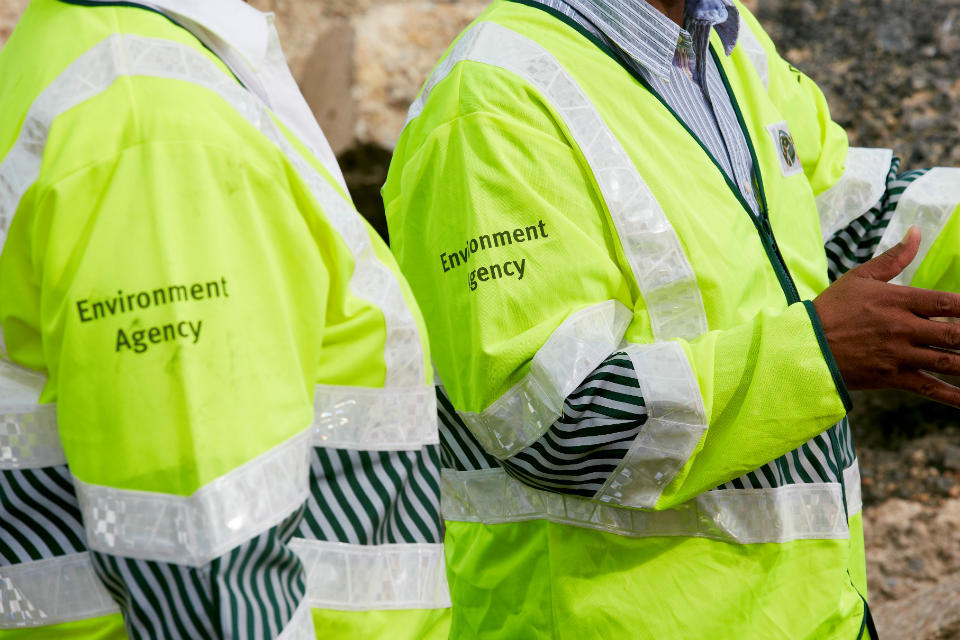
 The Environment Agency has accepted more than £1.12 million in total in Enforcement Undertakings (EU) from five water companies, according to the latest data published by the Agency for the period between 1 June and 30 September 2020.
The Environment Agency has accepted more than £1.12 million in total in Enforcement Undertakings from five water companies, according to the latest data published by the Agency for the period between 1 June and 30 September 2020.
Enforcement Undertakings are voluntary offers made by offenders to:
- put right the effects of their offending
- put right the impact on third parties
- make sure the offence cannot happen again
The sums paid outlined in the data do not include the Environment Agency’s own costs or the costs of the actions taken by the water companies to rectify the problems and impacts created as a result of the offences.
The EA has accepted reactive offers from the water companies concerned for offences committed under the Environmental Permitting (England and Wales) Regulations 2016 and the Environmental Permitting (England and Wales) Regulations 2010 respectively.
Offers for offences committed under the Environmental Permitting (England and Wales) Regulations 2016 are:
Yorkshire Water
The offence was operating without an environmental permit (water discharge activity) – Regulation 38(1). It relates to sewage pollution to the Wyke Beck, Leeds in July 2019.
The actions Yorkshire Water has taken or will take are to:
- repair and refurbish the manhole
- cover the Environment Agency’s costs
- contribute £300,000 to Yorkshire Wildlife Trust.
Wessex Water
The offence was operating without an environmental permit (water discharge activity) – Regulation 38(1). It relates to sewage pollution at Moorlinch Sewage Treatment Works in July 2018.
The actions Wessex Water has taken or will take are to:
- do site repairs and remediation works
- do site improvement works
- take action to benefit impacted third parties
- cover the Environment Agency’s costs
- contribute £225,000 to Moorlinch National Nature Reserve (£175,000) and Plymouth University (£50,000)
United Utilities
The offence was failing to comply with a permit condition (water discharge activity) – Regulation 38(2). It relates to a permit breach at Liverpool Waste Water Treatment Works in June 2018.
The actions United Utilities hastaken or will take are to:
- carry out a sonar survey
- do site repairs
- cover the Environment Agency’s costs
- contribute £95,000 to Mersey Rivers Trust (£35,000), Groundwork Cheshire Lancashire & Merseyside (£30,000) Mersey Gateway Environmental Trust (£30,000)
Offers for offences committed under the Environmental Permitting (England and Wales) Regulations 2010 are as follows:
Thames Water
The offences were operating without an environmental permit (water discharge activity) – Regulation 38(1) and failing to comply with a permit condition (water discharge activity) – Regulation 38(2).
The offences related to sewage pollution to the Hale Bourne and a permit breach at Lightwater Sewage Treatment Works in October 2016.
The actions Thames Water has taken or will take are to:
- restore and remediate the site
- maintain and improve the site
- do monitoring works
- review and update procedures
- conduct review meetings
- cover the Environment Agency’s costs
- contribute £200,000 to South East Rivers Trust.
Severn Trent
The offence was operating without an environmental permit (water discharge activity) – Regulation 38(1). It related to sewage pollution to the River Trent near Trent Vale Sewage Pumping Station in September 2016.
The actions Severn Trent Water has taken or will take are to:
- repair and improve the site
- improve procedures
- do a lessons learned project
- do a risk assessment and matrix
- do site-specific audits
- cover the Environment Agency’s costs
- contribute £306,509 to Staffordshire Wildlife Trust.
Enforcement Undertakings are voluntary offers made by offenders to:
- put right the effects of their offending
- put right the impact on third parties
- make sure the offence cannot happen again
If the Environment Agency accepts an offer, it becomes a legally binding agreement between the EA and the business or person who makes the offer. According to the Agency, it will only consider accepting an EU for cases where:
- it is not in the public interest to prosecute
- the offer itself addresses the cause and effect of the offending
- the offer protects, restores or enhances the natural capital of England


Sign In
